Defaulted on Your COVID EIDL Loan? Here Is What Happens Next.
The SBA is referring defaulted EIDL loans to the IRS and U.S. Treasury for aggressive collection — including wage garnishment, tax refund seizure, and bank levies. Understand your exposure and your options.
For loans over $200,000 — Check Your Personal Liability Now →
Free 3-minute assessment. Educational guidance only — not legal advice.
What Is Happening Right Now
Nearly 4 million businesses received EIDL loans during COVID. Hundreds of thousands are now in default — and the government is collecting.
Tax Refund Seizure
The IRS can intercept your federal and state tax refunds — including joint returns — until the debt is paid.
Wage Garnishment
Treasury can garnish up to 15% of your disposable pay through your employer without a court order.
30% Collection Fee
Once referred to Treasury, a 30% collection surcharge is added to your outstanding balance immediately.
Personal Guarantee Exposure
Loans over $200,000 required a personal guarantee — your home, savings, and personal assets are at risk.
Credit Score Damage
Default is reported to all three credit bureaus, damaging your ability to borrow for years.
Federal Funding Blocked
Defaulted borrowers are barred from future SBA loans, federal contracts, and government programs.
SBA Hardship Plans Are No Longer Available
As of March 2025, the SBA stopped offering hardship accommodation plans for EIDL borrowers. If you haven't already enrolled, this option is gone.
You Have Options — Even Now
Chapter 11 Subchapter V bankruptcy was designed specifically for small businesses. It can stop collection, protect your assets, and give you a path forward.
Automatic Stay
The moment you file, ALL collection activity stops — garnishments, levies, lawsuits, everything. Immediately.
Government Becomes a Creditor
Instead of the government dictating terms, they become just another creditor in your reorganization plan.
Personal Asset Protection
Subchapter V is designed to protect personal assets while restructuring business debt. Your home and savings can be shielded.
Fast Resolution
Most Subchapter V cases resolve in 3-6 months. Attorney fees typically range from $15,000 to $50,000 depending on complexity.

Built by Someone Who Went Through It
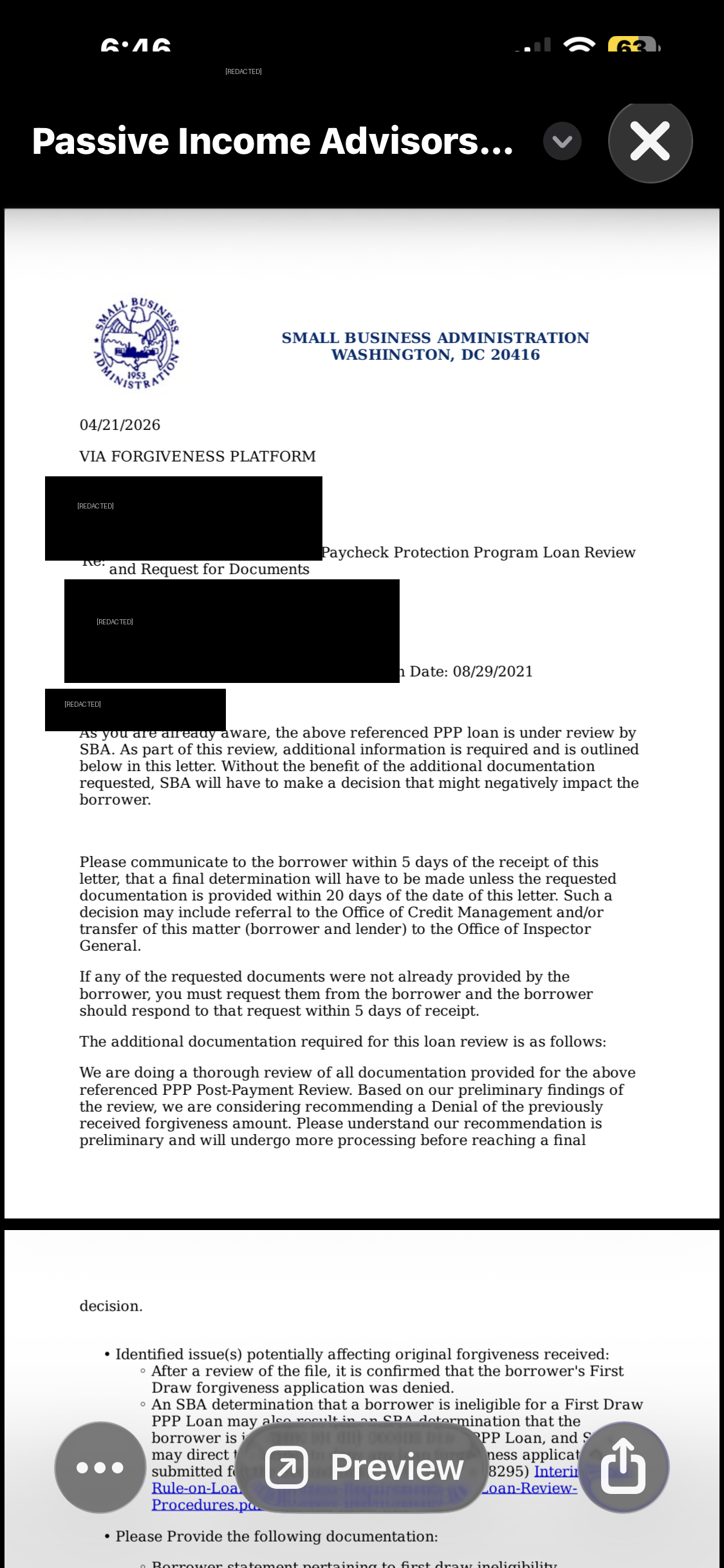
PPP Fairness was created by Gena Lofton — a business owner who personally navigated a federal investigation and used the Subchapter V process to protect her business. This isn't theory. It's a system built from real experience.
Bankruptcy as a Strategic Tool
Understanding how bankruptcy law applies to EIDL debt can transform your options. These resources explain what most borrowers don't know.
Chapter 11 & Subchapter V
How the Small Business Reorganization Act gives EIDL borrowers a faster, cheaper path to restructure debt — including the $7.5M debt limit, automatic stay, and cramdown provisions.
Read the full guide →Chapter 5: Creditor Claims & Your Estate
Understanding how the SBA's claims are categorized, what exemptions protect your assets, and how avoidance powers can challenge government overreach.
Read the full guide →Key insight: EIDL loans can often be categorized as "disputed" or "unliquidated" — meaning they may not count toward the Subchapter V debt limit. Most bankruptcy attorneys don't know this.
Start With Your Free 3-Minute Assessment
Find out your personal liability level, understand your collection risk, and see what options are available to you.
For loans over $200,000 — Check Your Personal Liability Now →
Free. Confidential. Takes 3 minutes.
This platform provides general educational information and does not provide legal advice. PPPFairness.com is not a law firm. Gena Lofton is not an attorney. No attorney-client relationship is created by using this site.
Always consult with a qualified attorney for your specific situation.